April marks Teenage and Young Adult Cancer Awareness month. In the UK around 2,300 people aged between 15 and 24 are diagnosed with cancer every year. These young people have very different needs than adults who are going through the same or similar cancer diagnosis and treatment.
Teenage and Young Adult Cancer Awareness month is an opportunity to highlight these differences and allow young people to have a voice, share their stories and be listened to so that we can collectively tackle the challenges they face.
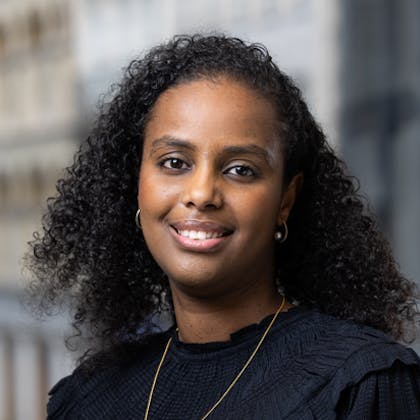
Imogen Westwood, a paralegal in our clinical negligence team, shares her story and advice to young people who are going through the toughest moments of their young lives, as written below:
Imogen's story and advice
Having been diagnosed with bone cancer at thirteen I know better than most the importance of raising awareness of how cancer affects young people. I appreciate there is a lot of important discussion about the well-known warning signs of cancer - persistent tiredness, unexplained weight loss, ongoing pain - and the importance of early detection, but that approach alone does not give the full picture of this diagnosis and the impact of having cancer.
While the physical effects of cancer are widely recognised, the deeper, less visible impacts are often overlooked. These “hidden” effects can profoundly shape a young person’s experience and are important to discuss and raise awareness of.
What specific challenges do young people with cancer face?
As Teenage Cancer Trust highlights, cancer care is often not designed with young people in mind. Young patients don’t simply fit into the binary of paediatric or adult care, often leaving them feeling out of place; for example, the oldest on a children’s ward or the youngest on an adult oncology unit. This also goes beyond the clinical environment. It can affect access to specialist support services, such as psychological care, fertility counselling, and peer networks with people of a similar age.
Friends & Education
When your routine becomes a cycle of treatment, clinical appointments and hospital admissions, school becomes the least of a teenager’s worries. While this will have an obvious impact on learning and education, it also has a devasting impact on their social life. Being limited to interacting with friends by text or video call is not just frustrating but also isolating. It can be difficult for a young person to appreciate that life continues outside their hospital room; friendships change, relationships blossom and sometimes, without even realising, friends can become distant. At the same time, cancer becomes a kind of identity, one you can only hope doesn’t define you.
It’s for this reason that honest, open communication from the start is important. I would recommend managing others’ expectations, inviting them to ask questions, and setting boundaries but most of all reassure friends and family that you’re still you.
Psychological Impact
The teenage years should be filled with independence, freedom, and an opportunity to explore who you want to be. But from the moment a young person hears the word “cancer” they are forced to grow up and face a terrifying new reality. It is so important that young people get access to support which reflects their maturity and fragility.
The most important piece of advice I can give anyone who knows a young person going through cancer treatment is not to call them “inspirational”. To us, we are simply getting on with things as anyone would in that situation. Without a doubt your intentions are noble, but young people don’t want sympathy – they want regularity.
It can be tough for a young person to see the impact of their situation on friends, family and community. Teenagers can often feel a responsibility to be the strong one and can bottle up their feelings. While this may be a coping mechanism in the short term, it is important to be honest about how they are feeling. Make sure they have a safe space to explore their feelings, fears, and perhaps grieve the life they have had to put on hold. Whether you are a parent, family or patient, don’t be afraid to request psychological support from charities or the clinical team.
Getting back to “normal”
One of the most difficult aspects of having cancer as a teenager is when the time comes to reintegrate into society. After months, perhaps years, of invasive tests, treatment and follow-up the concept of normality is almost unsettling. What is “normal”?
For the majority of people who reach remission there is a period of monitoring where you have scans and follow-ups. Should you hopefully reach the point where you’re deemed outside the “danger zone” for reoccurrence you’re discharged. While this is, without a doubt, a milestone worthy of celebration this time has also been described as being “thrown from the clinical cliff”. It can be a time of huge anxiety which is unaided by the fact that teenager cancer care is very fragmented. It can be unclear who you should approach for help should issues rear their head later in life, especially when you made the move from the paediatric to the adult care environment. It is extremely important to have the right resources in place so young people can be supported not only during treatment but beyond it.
Late effects & long-term effects
Many side effects of cancer treatment do not appear immediately; instead, they can emerge months or even years later, often at a point when a young person is trying to move forward with their life. These include things like hormonal changes leading to early menopause, musculoskeletal issues due to the treatment stunting growth and weakening the bones, and damage to vital organs like the kidneys, heart and liver.
Regrettably, many treatments for cancer also put us at risk of developing secondary cancers later in life. This feeds into the feeling that a young person can never simply get back to “normal” after cancer as the fear of recurrence can feel like a real threat to your future. Trust yourself, and don’t be afraid to advocate for yourself if you are worried that something isn’t quite right.
What needs to change and how can it be achieved?
The UK Government has recently published the National Cancer Plan for England which sets out their ambitious plan to transform cancer care and outcomes in England by 2035. Importantly, there is a dedicated chapter to children and young people’s cancer which sets out key objectives including early detection, early diagnosis, research, innovation, novel treatments and improving experience of care.
The National Cancer Plan is a great start but improving outcomes for young people with cancer will require more than just policy commitments: it requires sustained investment, collaboration, and a willingness to listen to the experiences of young people who can share the realities of being a teenager living with cancer.
This is why Teenage and Young Adult Cancer Awareness Month deserves your attention: because it ensures these experiences are not only heard but acted upon with the help of charities like Children with Cancer UK, Teenage Cancer Trust and Young Lives vs Cancer. Together, we can turn awareness into meaningful improvements in care and outcomes for every young person affected by cancer.
If you are concerned that you or a loved one have received substandard medical care in the diagnosis or treatment of cancer, our expert team at JMW can offer support. Get in touch by calling 0345 872 6666 or use our online enquiry form to request a call back.