Cauda Equina Syndrome Claims
Cauda equina syndrome is an extremely serious condition, and the consequences of poor or delayed care for those affected can be potentially life-changing. If this has happened to you, JMW's specialist solicitors can help you bring a successful cauda equina claim with the help of medical negligence experts who truly understand the condition and the issues that surround it.
JMW has built an unrivalled reputation as a specialist firm in cauda equina claims, handling most cases on a no win, no fee basis. Our knowledgeable and professional approach has made all the difference to our clients; not only have we achieved cauda equina compensation settlements that have allowed them to rebuild their lives, but we have also provided them with vital practical and emotional support during an extremely challenging time.
If you or a loved one have been affected by cauda equina syndrome that was caused by medical negligence, our team of specialist solicitors is here to help. Contact us today on 0345 872 6666 or complete our online contact form and we will get in touch with you about making a cauda equina syndrome claim.
On This Page
- What Our Clients Say
- How JMW Can Help With Cauda Equina Syndrome Claims
- Meet The Team
- Case Studies
- What Is Cauda Equina Syndrome?
- What Are the Most Common Reasons for a Cauda Equina Syndrome Claim?
- What to Do if Your Loved One Is Diagnosed with Cauda Equina Syndrome
- JMW: A Trusted Partner of the Cauda Equina Champions Charity
- Client Stories
- FAQs About Cauda Equina Claims
What Our Clients Say
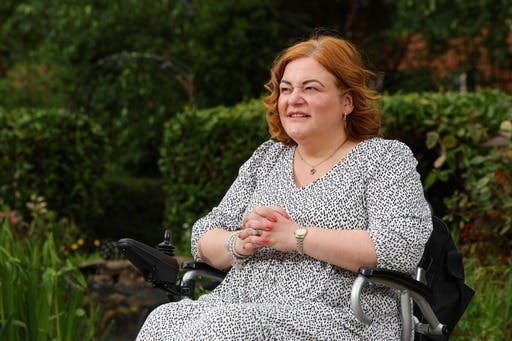
“JMW have been a tremendous support to me and my family. They put their faith in me and my journey and I can’t begin to thank Eddie Jones and the team enough. The success of my claim has made mine and my family’s lives so much easier, we no longer need to worry about our financial situation or stress over adapting our home.”
JMW medical negligence client Claire Rawlings, who has cauda equina syndrome
How JMW Can Help With Cauda Equina Syndrome Claims
Our specialist cauda equina solicitors have successfully settled many claims of this type, helping those affected to challenge the poor care and negligence that have resulted in their long-term injuries. Successful claims help those in need to cope with the financial consequences and make any essential adaptations to their daily life.
Headed up by leading medical negligence experts Eddie Jones and Angharad Hughes, our cauda equina solicitors have strong links with the charity Action against Medical Accidents (AvMA), and includes members of the Action against Medical Accidents (AvMA) solicitors panel and the Law Society’s specialist panel for clinical negligence solicitors. We work nationwide and visit our clients at home whenever needed.
We have helped a range of people affected by cauda equina to claim compensation where medical negligence made the effects more severe, and we are known for frequently achieving some of the highest settlements nationally.
Meet The Team










Case Studies
Appalling hospital failures leave woman’s life devastated by cauda equina syndrome- £5 million in compensation
Pamela’s health has suffered greatly due to a hospital's failure to treat her cauda equina syndrome. While nothing can fully compensate for this impact, she can manage her disabilities after Eddie Jones, a partner specialising in cauda equina caes, secured to a £5 million settlement.
Hospital's cauda equina mistakes leave man with permanent disabilities - £1.7 million in compensation
Mark took early retirement after medical errors delayed his cauda equina syndrome diagnosis. However, Sally Leonards, a JMW partner specialising in cauda equina cases, secured £1.7 million in compensation for him to adapt his house and access necessary equipment, therapy, and financial security.
Cauda equina syndrome (CES) is a type of serious spinal injury that can devastate lives due to the distressing long-term problems it causes, including incontinence, lingering pain, impaired mobility and sexual dysfunction. When it first strikes, urgent surgery is required to stop the effects of the condition from becoming permanent.
One of the difficulties of diagnosing CES is that it often begins with lower back pain, an exceedingly common ailment that, in the vast majority of cases, clears up on its own without treatment. However, occasionally it can be a symptom of something more serious. At the upper lumbar region of the spinal canal, the nerves of the pelvis and legs branch out from the end of the spinal cord in a 'horse's tail' shape. Anything that causes a narrowing of the spinal canal in this area - resulting in a compression of this particular bundle of nerves - is classed as cauda equina syndrome.
These nerves are susceptible to injury, particularly those supplying the bladder and bowel. The most common cause of CES is a prolapsed (slipped) disc, but other causes may include:
- Injury to the lumbar spine
- A tumour
- Infection (particularly abscesses)
- Damage during surgery
For more information about CES, such as what it is, the symptoms to look out for, who it affects and where to go for help, take a look at this NHS explainer, or check out our cauda equina infographic by clicking on the image below.

What Are the Most Common Reasons for a Cauda Equina Syndrome Claim?
At JMW, we have helped hundreds of cauda equina patients make a claim after receiving negligent treatment. As such, we have identified several recurring issues with care quality that can result in cauda equina syndrome being misdiagnosed or incorrectly treated.
Among these common types of cauda equina medical negligence claims are:
Lack of awareness in hospitals
Medical staff in hospitals may not be fully aware of the signs of cauda equina syndrome, nor the need for fast action and the devastating impact it can have on the life of a patient without urgent treatment. Systematic failures, such as a lack of funding and resources at smaller hospitals, may also mean they are not fully equipped to deal with serious spinal injuries requiring urgent investigation, and there may be delays in referring patients to specialist units.
Delayed MRI or CT scans
People affected by cauda equina sometimes face delays of days, or even weeks, before they undergo a scan. While waiting, their condition can deteriorate so significantly that it may be too late to prevent permanent nerve damage when the condition is finally identified, and lives can be devastated as a result.
Misdiagnosis by GPs
Whilst most GPs are aware of cauda equina and the need to immediately refer patients to hospitals for scans and surgery, some may let patients down by misdiagnosing the condition and failing to recommend appropriate action.
Negligent surgery
A poor standard of surgery can mean that a patient's condition worsens or is left untreated. This can lead to permanent damage being caused and the need for further operations, which can be traumatic for patients and also carries the risk of long-term injury.
What to Do if Your Loved One Is Diagnosed with Cauda Equina Syndrome
A diagnosis of cauda equina syndrome can be devastating, and the long-term impact of this spinal condition can mean that patients often struggle to get their lives back on track.
Like many debilitating conditions, a diagnosis of CES can have serious implications for the patient’s whole family. It may be difficult to know where to turn to in circumstances such as these, but cauda equina syndrome compensation may help significantly with this, which is why it is important to seek out guidance from specialist cauda equina syndrome lawyers.
If your loved one’s symptoms have been missed or dismissed in the past, try to keep a record of what has happened and what they have experienced, including dates, conversations and any advice they received. It can also help to gather medical documents, such as hospital letters, scan reports or referral paperwork, so everything is in one place.
If you have reason to believe medical negligence could have played a role in a delayed cauda equina syndrome diagnosis, or that your family member received substandard care, speaking to a specialist solicitor from JMW can help you understand the next steps to make a claim for compensation.
JMW: A Trusted Partner of the Cauda Equina Champions Charity
The Cauda Equina Champions Charity (CECC) started life as the Cauda Equina Syndrome Association back in 2013. It was set up by Claire Thornber, with support from JMW, and strives to raise awareness of the devastating spinal condition cauda equina syndrome and to support those affected by it.
Claire identified that there was a need for an organisation to campaign for greater understanding of the 'red flag signs' of CES. She hopes to ensure that more people affected by this condition receive the urgent treatment they need to enable them to recover and avoid permanent injury.
The CECC is the UK's only dedicated cauda equina syndrome charity. It is a patient-led organisation that works alongside people living with CES to raise awareness of this condition and its impact, as well as supporting the CES community with bespoke rehabilitation services for people after injury.
For more information about the Cauda Equina Champions Charity, please visit www.championscharity.org.uk
Client Stories
Charlie's Story
JMW's clinical negligence team supported Charlie Haynes, who injured his back while lifting weights at the gym and was diagnosed with cauda equina syndrome. After undergoing spinal surgery, Charlie did not receive the necessary support, leading to further pain as well as bowel and bladder issues.
In this video, Charlie explains how we were able to help him obtain the medical care he deserved, allowing him to regain control and move forward with his life.
Ginny's Story
JMW supported Ginny through a cauda equina compensation claim after she was left with permanent disabilities, bowel and bladder incontinence and unable to work due to negligent treatment of the condition. With JMW's help Ginny was later awarded a seven-figure compensation settlement so that she could start rebuilding her life. In this video she tells her story.
How Cauda Equina Affects Relationships: Michelle's Story
JMW spoke to psychosexual therapist, Michelle Donald, about the lesser-known effects the condition can have, including those on a person’s intimate relationships. In this video, Michelle explains how it is possible to regain control of your life after what can be a devastating diagnosis.
Peter's Story
JMW also supported "Peter", 44, through a cauda equina compensation claim. Peter has seen almost every single aspect of his life change following a cauda equina syndrome diagnosis, including his ability to work, relationship with his wife and son, and his body image and fitness.
You can read about Peter's experiences here.
FAQs About Cauda Equina Claims
- Can I make a cauda equina claim?
Eligibility to make a cauda equina claim will depend on whether you can demonstrate that the medical professionals responsible for you failed to deliver care to an adequate standard, and that their negligent medical treatment was directly responsible for causing or exacerbating the impact of your cauda equina syndrome.
Examples may include:
- Failure to diagnose: timely diagnosis of cauda equina syndrome is critical, because any delay can lead to permanent damage. If medical professionals overlooked your cauda equina symptoms or failed to perform the necessary tests, this could be classed as negligence by the courts.
- Failure to treat: once diagnosed, CES requires immediate action to prevent potentially lifelong damage. If timely treatment was not provided and subsequently led to a deterioration of the condition, this could potentially open the door for cauda equina compensation claims.
- Inadequate or negligent surgery: surgical intervention for cauda equina syndrome is a delicate process. Inadequate or negligent surgical procedures that lead to additional harm, or fail to address the condition as intended, can be grounds for cauda equina syndrome claims.
- Failure to recognise postoperative complications: postoperative care is as important as the surgery itself. Complications after surgery can exacerbate the condition, and if negligence in monitoring or addressing these complications is a factor, these individuals may be eligible for compensation.
If any of these were a factor in your cauda equina diagnosis or the condition getting worse, you will likely be able to claim compensation. Get in touch with the cauda equina syndrome lawyers at JMW, and we will advise you on whether you are eligible to make a claim.
- What are the symptoms of cauda equina?
The ‘red flags’ for CES that require urgent investigation include:
- Changes in bladder and bowel function, including changes to the flow, not feeling the urge to go, and incontinence
- Sexual dysfunction
- Leg pain, weakness or loss of sensation in one or both legs
- Altered sensation in the bottom, groin and legs, such as numbness or pins and needles
- A sudden loss of power in the legs
Symptoms of cauda equina syndrome vary in intensity and sometimes evolve slowly over time. However, any of the above can be signs that the cauda equina nerves are being compressed. If you experience any of these, seek immediate medical attention, as they could be a sign that surgery is needed to prevent permanent nerve damage.
- What causes cauda equina syndrome?
The causes of cauda equina syndrome vary, but they typically involve conditions or incidents that lead to the narrowing or obstruction of the spinal canal, which is where these nerves are located. These include:
- A slipped disc: one of the most common causes of cauda equina syndrome is a slipped disc, also known as a herniated or prolapsed disc. This happens when one of the discs that sit between the bones of the spine (known as the vertebrae) is damaged and presses on the nerves. A slipped disc in the lumbar area can be particularly risky, as this can directly compress the cauda equina.
- Narrowing of the spinal canal: this condition, also known as spinal stenosis, causes the spaces within your spine to narrow, which can compress the nerves, including the cauda equina. It can be congenital or develop with age.
- A tumour on the spinal cord: tumours can exert pressure on the cauda equina as they grow, even if they are otherwise classed as benign. Depending on their location and size, they can lead to cauda equina syndrome by directly compressing the nerve roots.
- A spinal infection, haemorrhage or fracture: infections, bleeding or fractures within the spine can lead to swelling or direct damage to the nerves of the cauda equina. Any of these conditions creates the risk of disrupting normal function in the spinal nerves.
- Complications from a severe lumbar spine injury: traumatic events like falls or car crashes can lead to the lower spine being severely injured, resulting in immediate or delayed compression of the cauda equina.
- A mistake made during spinal surgery: although spinal surgery can provide relief for various back conditions, if errors are made during the procedure, it can result in accidental damage to the cauda equina. Examples of potential mistakes include improperly placed surgical hardware, or an oversight that leads to nerve compression.
Understanding the causes of cauda equina syndrome is crucial for both prevention and early intervention. If you are experiencing symptoms following any of these incidents, please seek immediate medical attention.
Learn more about the potential causes of cauda equina syndrome from the Cauda Equina Champions Charity.
- How is cauda equina treated?
Treating cauda equina syndrome is classed as a medical emergency, requiring fast action to prevent irreversible nerve damage and preserve as much function as possible. Once CES is diagnosed, surgical intervention - to alleviate the pressure exerted on the cauda equina nerves - is usually the first course of action.
The timing of surgery to prevent or treat cauda equina syndrome is critical: ideally, it should be performed within 24 to 48 hours of the onset of symptoms. If this narrow window is missed, the likelihood of sustaining permanent damage increases significantly. The goal of the surgery, which often involves procedures such as lumbar decompression, is to relieve the compression of the nerves. By doing so, the procedure can limit nerve damage or even avoid it altogether. You can learn more about lumbar decompression surgery from the NHS.
However, even with timely and successful surgery, some individuals may not regain their full function. The extent of recovery largely depends on how severely the nerves were damaged at the time of surgery, and how quickly the condition was addressed. Factors such as the duration of symptoms before treatment and the actual cause of the compression can also influence outcomes.
Post-surgery, individuals often require extensive rehabilitation, which may include physiotherapy, occupational therapy, and pain management strategies. Rehabilitation should be tailored to address the person's specific needs, with the aim of helping them regain as much function as possible.
Cauda equina negligence claims can make it easier for those affected by the condition to arrange to receive the long-term treatment and rehabilitation they will need.
- What impact can cauda equina syndrome have on relationships?
One of the lesser-discussed but significant effects of cauda equina syndrome is its potential to put strain on relationships. When the nerves at the base of the spine suffer permanent damage, individuals may experience a loss or significant reduction in sexual function, which can lead to frustration, anxiety, and a sense of loss for both the individual and their partner. The change in sexual dynamics can jeopardise the couple's intimacy and emotional connection, in turn leading to feelings of alienation.
Furthermore, CES often forces partners into new roles, particularly when one becomes the primary caregiver for the other. This shift can significantly alter the dynamics of the relationship, as partners may struggle with the balance between caregiving duties and maintaining a healthy, reciprocal partnership of equals. The physical and emotional demands placed on the carer can lead to burnout, while the person affected by cauda equina syndrome might feel a sense of dependency.
Additionally, the emotional toll that CES can take on the affected individual can lead to feelings of inadequacy, isolation or depression. Together, these factors can create a level of stress that puts considerable pressure on relationships.
To learn more about these issues and the support available to those affected, take a look at our guide to how cauda equina syndrome affects relationships.
- How long do cauda equina compensation claims take?
Clinical negligence cases can take a long time, because the issues at stake are often complicated. Claims involving cauda equina syndrome are especially difficult because proof is so important, and we need to gather evidence from leading independent medical experts, who often have long waiting lists.
It is difficult to estimate exactly how long a compensation claim will take until we have had a chance to review the specifics of the case. However, we will always strive to ensure your case moves forward as quickly as possible, and to keep you updated every step of the way.
- What are the time limits on making a compensation claim for cauda equina syndrome?
Patients have three years from the date of the negligence to make a compensation claim. If legal action is not taken within that time frame, the claim is time-barred. This is called the limitation period, after which a cauda equina claim cannot be taken forward.
However, in some circumstances, this may change:
- If the extent of a person's injury or the impact of the medical negligence does not become clear until a later date, the three-year deadline will begin from the date of knowledge instead.
- If the patient is under 18, their parents can make a cauda equina compensation claim on their behalf at any point until they turn 18. If they wish to make a claim for themselves once they are of age, the three-year time limit begins on the date of their 18th birthday.
- If the patient lacks the mental capacity to make their own claim, no time limit will apply.
Speak to the expert cauda equina solicitors at JMW to learn more about whether you are eligible to make a claim, and what time limits might apply in your circumstances when making cauda equina claims.
- How does funding work for cauda equina syndrome claims?
Most of our cauda equina syndrome clients can make their claim for compensation on a no win, no fee basis. This means that you will not have to pay any legal fees unless your cauda equina syndrome negligence claim is successful.
Under this agreement, clients do not have to pay upfront legal fees or bear the costs during the progression of their case.
If you choose to work with JMW, we will talk you through the specifics of how this works, so that you are fully informed from the outset. Our priority is to make sure that nobody is prevented from seeking justice and compensation for medical negligence due to financial concerns.
- How is compensation for cauda equina syndrome calculated?
Cauda equina compensation amounts are not standardised, and vary significantly depending on your individual circumstances. Successful claims for cauda equina syndrome will be valued based on several factors to determine the appropriate compensation payouts:
- Severity of the injury: the severity of the condition and the extent of any permanent disability it has caused will play a critical role in calculating compensation amounts. More severe cases, which result in significant lifestyle changes and long-term disabilities, typically result in higher compensation for cauda equina syndrome.
- Impact on quality of life: compensation calculations will also take the impact of cauda equina syndrome on your quality of life into account. This includes ongoing physical pain, psychological trauma, loss of sensation, mobility issues, and the inability to perform daily activities or enjoy hobbies.
- Financial losses and expenses: successful claims will account for any financial losses incurred as a result of CES, such as loss of earnings, medical expenses, costs of rehabilitation, and the need for home adaptations. Future financial losses are also considered to ensure that compensation covers your long-term needs.
- Care and support needs: compensation for cauda equina syndrome also reflects the cost of necessary ongoing care and support. This can include professional care fees, as well as compensation for the time and effort of informal carers, such as family members.
- Legal precedents and guidelines: cauda equina syndrome compensation payouts are influenced by previous legal precedents and judicial guidelines. These benchmarks provide a framework for assessing the value of different types of damages associated with medical negligence claims.
The average JMW cauda equina syndrome compensation settlement is £800,000. However, each cauda equina syndrome claim is unique.
Our experienced team is committed to thoroughly assessing all aspects of your condition and its impact on your life. We work tirelessly to secure the maximum cauda equina compensation amounts, and will be able to provide a clearer estimate of the value of your claim when we assess your case.
- Can I claim for time off work caused by cauda equina syndrome?
You can usually include time off work in a cauda equina syndrome medical negligence claim. If delayed diagnosis or treatment led to avoidable injury and this has affected your ability to work, the impact on your earnings can form part of the overall claim.
Many people who experience cauda equina syndrome are left with symptoms that affect their mobility, continence, concentration, fatigue or pain levels, which can make returning to work difficult. This means some are unable to go back to their previous role, or require reduced hours or specialist support to stay in employment. These changes can have a financial effect on both the individual and their family, and this will all be considered as part of the claims process.
Talk to Us
To speak to a specialist solicitor about your cauda equina claim, call JMW free on 0345 872 6666 or complete our online contact form. We are here to help you secure the compensation you are entitled to; our expert clinical negligence lawyers handle cases on a no win, no fee basis.