Anaesthetic Awareness Compensation
Anaesthetic awareness occurs when a patient becomes conscious during surgery, despite being under general anaesthesia. They may be unable to move due to muscle relaxants and the experience can be harrowing, often leading to severe psychological trauma, such as post-traumatic stress disorder (PTSD). For some, the effects of anaesthetic awareness extend far beyond the operating table, affecting their daily life and overall wellbeing.
If you or someone you know has suffered from anaesthetic awareness as a result of medical negligence, you may be entitled to make a compensation claim. At JMW Solicitors, we understand the profound impact that anaesthetic awareness can have on individuals. Our expert team of clinical negligence solicitors is here to provide compassionate, practical legal support, helping you secure the compensation needed to move forward with your life.
We offer a no win, no fee service, meaning there is no financial risk to you in pursuing your claim. Our team will guide you through the process, ensuring you understand each step and receive the support you need every step of the way.
To discuss your case, call us on 0345 872 6666 or complete our online enquiry form and we will get back to you as soon as we can. We offer no win, no fee legal services.
On This Page
- What Our Clients Say
- How JMW Can Help
- Meet Our Team
- Case Studies
- How Does Anaesthetic Awareness Happen?
- When Can I Make a Medical Negligence Claim for Anaesthetic Awareness?
- What Is the Process of Making an Anaesthetic Awareness Compensation Claim?
- How Much Compensation Can I Get for Anaesthetic Awareness?
- FAQs About Anaesthetic Awareness Claims
- Talk to Us
What Our Clients Say
How JMW Can Help
JMW provides clear, practical support to people who have experienced anaesthetic awareness due to medical negligence. If you have experienced awareness during surgery, including becoming conscious under general anaesthetic, our team will investigate whether this was caused by negligence and whether you are able to make an anaesthetic awareness compensation claim.
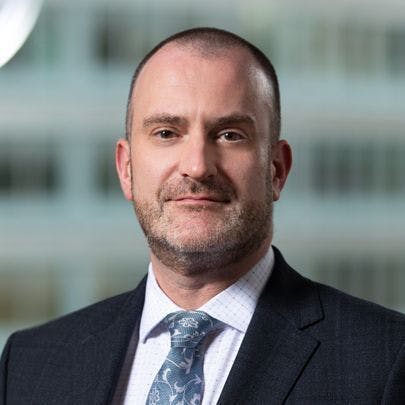
Our department is led by experienced solicitors Eddie Jones and Angharad Hughes, who oversee a team with extensive experience in handling medical negligence claims. Our team includes members of the Law Society’s specialist panel of clinical negligence solicitors and the Action against Medical Accidents (AvMA) solicitors panel.
From the outset, we carry out a detailed investigation into your case. We begin by listening to your experience of anaesthesia awareness to build a clear understanding of what happened. We then obtain and review your medical records, including anaesthetic charts and monitoring data, to assess how your anaesthesia was managed and whether the correct dosage was used.
We work with independent medical negligence experts, including consultant anaesthetists, to determine whether your care met a reasonable standard. This allows us to establish whether anaesthetic awareness negligence occurred, such as failures in monitoring, incorrect dosage, or issues with faulty equipment during the procedure.
To support your anaesthesia awareness claim, we gather detailed evidence, including:
- Your medical records, including anaesthetic records and surgical notes
- Independent expert reports from consultant anaesthetists and other relevant specialists
- Your own account of what you experienced, including any severe pain, inability to move due to muscle relaxants, or awareness during surgery
- Evidence of psychological injury, including PTSD, panic attacks or sleep disturbances
We also assess the wider impact on your life. Many people who have experienced anaesthetic awareness develop a fear of future medical procedures, alongside ongoing psychological effects that may require psychological therapy. We ensure this is fully reflected in your compensation claim.
We manage the claims process on your behalf and keep communication clear throughout. You will always know what stage your anaesthetic awareness claim has reached and what the next steps are. We handle cases on a no win, no fee basis, meaning there is no financial risk to you.
If you have experienced anaesthetic awareness and believe it may have been caused by medical negligence, our medical negligence solicitors will assess your case and explain clearly from the outset how to make a claim.
Meet Our Team
JMW's experienced medical negligence solicitors understand the serious physical and psychological impact of anaesthetic awareness, and we use our thorough knowledge of the law and the relevant medical standards to help you seek compensation.





Case Studies
Anaesthetic Awareness During Caesarean Section Leads to Psychological Injury
A 29-year-old woman had a caesarean section and sterilisation performed under general anaesthetic. The anaesthetic was as light as possible so that the baby would be fully alert when born.
The woman was awake during the whole operation and could feel everything that was done to her and could hear the theatre staff talking, but had no way of making her distress known.
Since the experience, she has developed severe PTSD and has had great difficulty bonding with the baby.
JMW helped her to secure damages of £200,000, because the anaesthetist should have been aware of the possibility of anaesthetic awareness and should have noticed what was happening.
How Does Anaesthetic Awareness Happen?
Anaesthetic awareness happens when a patient becomes conscious, or partially conscious, during a surgical procedure while under general anaesthesia. This means a person may regain consciousness during surgery, even though they should remain fully unconscious and pain-free throughout.
During general anaesthesia, anaesthetists administer a combination of drugs to ensure the patient is unconscious, does not feel pain and has no memory of the procedure. However, if something goes wrong during the process of administering anaesthesia, this balance can be disrupted. In these situations, a person may experience awareness during surgery.
There are several ways anaesthetic awareness can happen:
- The correct dosage of anaesthetic is not given, or the dose is too low and begins to wear off during the procedure
- An incorrect dosage is calculated, particularly where factors such as weight or medical history are not properly considered
- The patient is not properly monitored during surgery, meaning signs of consciousness are missed
- Faulty equipment affects how anaesthetic drugs are delivered
- In high-risk or emergency procedures, such as an emergency caesarean section, lower levels of anaesthetic may be used, which heightens the risk of awareness
Many people who experience anaesthesia awareness report being able to hear conversations, feel pressure, or in some cases experience severe or even excruciating pain while on the operating table. This can be particularly distressing because muscle relaxants are often used during surgery. These prevent movement, meaning the person cannot alert the surgical team that they are conscious.
Although anaesthetic awareness is relatively rare, it can happen during both major operations and more routine medical procedures, including minor operations. When it occurs due to medical negligence, it may form the basis of an anaesthetic awareness claim.
When Can I Make a Medical Negligence Claim for Anaesthetic Awareness?
You may be able to make a medical negligence claim for anaesthetic awareness if your experience was caused by a failure in the standard of care you received during a surgical procedure. This applies where the care provided by an anaesthetist, doctor or other medical professional fell below what would reasonably be expected, and this led to harm.
Anaesthetic awareness claims are based on two key points:
- A failure in care (breach of duty):
The anaesthetist or surgical team did not provide care to a reasonable standard. This could involve errors in administering anaesthesia, failing to monitor you properly, or not responding to signs of regaining consciousness. - Harm caused by that failure (causation):
The failure directly led to your experience of anaesthetic awareness and the impact it has had on you since, whether that is physical or psychological.
In practical terms, you may be able to make an anaesthesia awareness claim if your care involved issues such as:
- Anaesthesia not being administered correctly during a surgical procedure
- Monitoring being inadequate, allowing awareness during surgery to occur
- Equipment problems affecting the delivery of anaesthetic
- Medical professionals not responding appropriately when signs of consciousness were present
- Important factors in your medical history not being taken into account
Anaesthetic awareness can be particularly distressing because people may be conscious but unable to move due to muscle relaxants. Many people describe hearing conversations, feeling pressure, or experiencing pain while being unable to alert the surgical team. Where this happens due to medical negligence, it can form the basis of a compensation claim.
You may also be able to make a claim on behalf of someone else. This can apply where a person does not have the mental capacity to manage their own claim, or in cases involving children. In these situations, a suitable adult can act on their behalf.
What Is the Process of Making an Anaesthetic Awareness Compensation Claim?
If you have experienced anaesthetic awareness due to negligent medical treatment, the claims process follows a series of clear steps. Our legal team manages this on your behalf and keeps you informed throughout.
We begin with a free consultation to understand what happened and assess whether you can make a claim. We then gather the necessary evidence, including your medical records and your account of the experience. Independent medical experts, such as consultant anaesthetists, review your care to determine whether a reasonable standard was met.
If the evidence supports your case, we will set out how the negligence occurred, assess the impact on your life, and present your claim based on a fair reflection of the impact. We handle all communication and work to secure compensation that reflects both the experience itself and its ongoing effects.
The vast majority of our anaesthetic awareness cases are funded by a no win, no fee agreement, known as a conditional fee agreement CFA. Whilst your solicitor will of course discuss this with you and advise on the best options available, the important thing to remember is that if your case is unsuccessful, you will not have to pay any legal fees, so there is no financial risk to you.
For a more detailed explanation of each stage, you can read our guide to the medical negligence claims process.
How Much Compensation Can I Get for Anaesthetic Awareness?
The amount of compensation you may receive for anaesthetic awareness will depend on the specific details of your case. Each anaesthetic awareness compensation claim is assessed individually, based on the severity of the harm caused and the impact it has had on your life.
Compensation in medical negligence claims is usually divided into two parts:
- General damages: This covers the pain and suffering caused by the experience itself. In anaesthetic awareness claims, this may include awareness during surgery, any severe pain felt on the operating table, and the psychological impact. Many people who experience anaesthetic awareness develop conditions such as PTSD, panic attacks and sleep disturbances.
- Special damages: This covers the financial impact of what has happened. This may include loss of earnings, the cost of psychological therapy, and any ongoing care or support you may need as a result of the experience.
When assessing how much compensation may be awarded, we take into account factors such as:
- The level of awareness experienced during the surgical procedure
- Whether you experienced pain or distress during the operation
- The severity of any psychological injury
- The effect on your ability to work and carry out day-to-day activities
- Any ongoing treatment or support required
Anaesthetic awareness can have serious consequences, particularly where it leads to long-term psychological injury or affects your ability to undergo future medical procedures. Our role is to ensure that your compensation claim reflects the full extent of that impact.
While it is not possible to give an exact figure without a full assessment, our medical negligence solicitors will carry out a detailed evaluation of your case to ensure all aspects of your experience are properly considered.
FAQs About Anaesthetic Awareness Claims
- What is the potential long-term impact of anaesthetic awareness?
Anaesthetic awareness can have a lasting psychological impact, particularly where a person has been conscious during surgery but unable to move or communicate. Many people who experience anaesthetic awareness develop conditions such as post-traumatic stress disorder, which can involve flashbacks, nightmares and heightened anxiety.
It is also common for people to experience panic attacks, sleep disturbances and a fear of future medical procedures. Some people find it difficult to return to hospital settings or to undergo further treatment, even where it is necessary.
These effects can have a wider impact on day-to-day life, including relationships and the ability to work. In some cases, ongoing psychological therapy may be needed to help manage these symptoms.
- What evidence will I need to make an anaesthetic awareness claim?
To make an anaesthesia awareness compensation claim, it is important to show both that your care fell below a reasonable standard and that this was the cause of the harm you experienced.
We gather a range of evidence to support this, including:
- Medical records: These include anaesthetic charts, monitoring data and surgical notes, which show how your anaesthesia was administered and managed.
- Independent expert reports: Consultant anaesthetists and other medical negligence experts review your care to assess whether the correct steps were taken.
- Your account of what happened: Your description of awareness during surgery, including any pain, sensations or distress, helps explain the impact of the experience.
- Evidence of psychological injury: This may include medical reports or records showing conditions such as PTSD, anxiety or sleep disturbances.
This evidence allows us to build a clear picture of what happened and how it has affected you.
- How long does it take to make an anaesthetic negligence claim?
The time it takes to resolve an anaesthetic negligence claim can vary depending on the complexity of the case.
Some claims move more quickly once evidence has been gathered and responsibility is accepted. Others may take longer where detailed expert evidence is needed or where the claim is disputed.
Factors that can affect the timeframe include:
- How long it takes to obtain medical records
- The need for independent expert reports
- Whether liability is admitted or disputed
- The extent of the harm and its impact on your life
Throughout the clinical negligence claims process, we keep you updated so you understand how your claim is progressing and what to expect next.
- What is the time limit for making an anaesthetic awareness compensation claim?
In most cases, you have three years to make a medical negligence claim. This time limit usually runs from the date of the treatment or from the date you first became aware that anaesthetic awareness may have been caused by medical negligence.
There are some exceptions:
- Children: The three-year time limit does not begin until their 18th birthday.
- Lack of mental capacity: If a person does not have the mental capacity to manage their own claim, the time limit may not apply in the usual way.
Because time limits can vary depending on the circumstances in which you claim compensation, it is important to seek legal advice as soon as possible so your options can be assessed. Take a look at our guide to the time limits involved in making a medical negligence claim.
- What impact can anaesthetic awareness have?
Although overall incidents of anaesthetic awareness are low even one case of this type is too many. The patient may experience after-effects, including:
- Daily flashbacks
- Post-traumatic stress disorder
- Deep psychological scars
Talk to Us
If you have experienced anaesthetic awareness and believe it may have been caused by medical negligence, speaking to a specialist solicitor at JMW can help you understand what happened and what steps you can take next.
To speak to our medical negligence team, call us on 0345 872 6666, or complete our online enquiry form and we will call you back at a time that suits you.