Independent National Maternity and Neonatal Investigation: Racism and discrimination
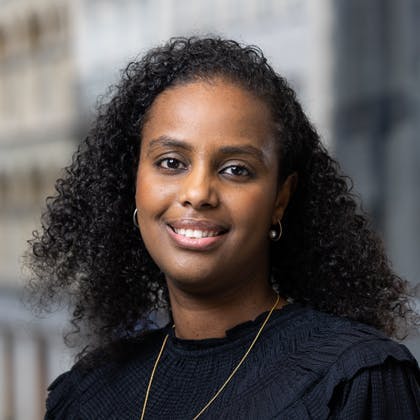
Baroness Valerie Amos, Chair of the Independent National Maternity and Neonatal investigation, issued a call for evidence which is closing 17 March 2026. We are responding to the call for evidence, as given our extensive experience of maternity claims against the NHS nationally we are well placed to comment.
As clinical negligence solicitors we have vast experience of maternity and neonatal cases. Whilst we only get involved when things have gone wrong, we do have the benefit of having a helicopter view acting for all types of clients against many different NHS Trusts, representing them at Inquests and in their claims all over the country.
We obtain independent expert evidence from clinicians in maternity and neonatal care who advise us what should have happened in our client’s care and through those reports we have the advantage of knowing what ‘good care’ should look like and therefore establishing the ways in which the care our clients receive is lacking.
On 26 February 2026, Baroness Amos published her Interim Report building on the Reflections and Initial Impressions report published in December 2025. Everything I read was sadly familiar and I see the same issues being repeated again and again.
Factors identified in the Interim Report
The interim report identified six key factors that are contributing to the pressures on the maternity and neonatal system.
1. Capacity pressures
2. Culture and Leadership
3. Racism and Discrimination
4. Poor responses and lack of accountability when things go wrong
5. The quality of estates
6. Workforce
A particular factor I have seen all too common in cases I have represented clients in is racism and discrimination.
Racism and discrimination within maternity and neonatal care
The systemic nature of the racism and discrimination within maternity and neonatal care leading to poor outcomes described in the Interim Report is an issue that has been seen for years in the national data from MBRRACE-UK, the Office of National Statistics, other national investigations such as the Black maternal health report released by the Women and Equalities Committee in April 2023 and reports by organisations such as Five X More and Birthrights.
MBRRACE-UK has shown for years (2014 -2025) the consistently higher maternal mortality rates for Black and Asian women. From 2022, the rate started to decrease for Black women from five times more likely to die during pregnancy or up to six weeks after compared to White women. On first glance this would suggest that discrimination may be dwindling, however this change is not statistically significant as the rate of deaths in White women has increased, meaning that the gap may appear to have narrowed on paper, but the reality is far more complex.
The most recent MBRRACE-UK report found that Black women are almost three times as likely to die during pregnancy or up to six weeks after birth compared with White women, and Asian women are 1.3 times more likely to die during the same period. It also found that women living in the most deprived areas have twice the rate of maternal mortality compared with those in the least deprived areas.
Harmful stereotypes
Baroness Amos’ Interim Report cites examples of harmful stereotypes being applied to women from Black and Asian backgrounds. She heard evidence from Black women who described experiences of being deemed as having "tough skin" and "able to tolerate pain". I have represented many Black women who have described this same experience. I currently act for a Black woman in her claim against a London NHS Trust in which her description of pain was ignored. She was told she was a “strong woman who did not need pain medication”. Sadly, my client’s pain was not the only symptom that was ignored and her baby was sadly stillborn, an outcome which we say was avoidable.
Women’s needs being dismissed
The Interim Report also found that women are being expected to advocate for themselves more forcefully because of their ethnicity. We have seen this in a number of our cases. I have acted for a Black woman against an Essex NHS Trust in which a plan was made to deliver her baby by caesarean section given her medical history. The woman informed the doctors on the next shift repeatedly about the plan and her wishes to have a caesarean section. She was ignored and sadly her baby was stillborn. Our expert evidence found that if the original plan had been followed or the woman’s wishes had been listened to then her baby would have been born alive.
Lack of cultural understanding
In addition, Baroness Amos reported that some families experienced a lack of sensitive and culturally competent communication, particularly when clinicians discussed risks in pregnancy or recommended additional care. I currently act for a Black woman against a London NHS Trust who had a fear of giving birth and was a Jehovah’s Witness.
Despite having a fear of a birth clinic at the NHS Trust this woman was never referred to the service. She also needed iron infusions but as a result of her saying she was Jehovah’s Witness the maternity team never discussed this with her and just assumed that she would not take the infusions as a result of her religion.
When she asked questions about her care, she was dismissed and her medical records stated she was a “difficult” patient. There was no discussion with her about the risks of reduced fetal movements and despite her calling the maternity unit to report a reduction of fetal movement she was not advised to attend for monitoring.
Clear disparity in treatment
Finally, the Interim Report also highlighted discrimination is not only racial but also impacts those from lower socio-economic backgrounds, young parents, LGBTQ+ families, those with disabilities or those for whom English is not their first language.
We act for two families who both suffered avoidable baby loss at the same East Midlands NHS Trust at the same time. One family was able to access bereavement care, had meetings with the Trust to explain what had gone wrong in their care whilst the other family did not receive any communication or care from the NHS Trust. They did not receive any apology or any bereavement care. It seems to us that this demonstrates starkly the difference in treatment different families can receive from the same NHS Trust at the same time. The differences between the families was one family was young and from a lower socio-economic background whilst the other family was not and was more able to advocate for themselves.
What needs to change
The Interim Report highlights issues which are systemic and widespread. The issues raised are not new and have been raised multiple times in the past decade. There has been numerous policy initiatives and renewed focus on maternal health inequalities but despite this the systemic nature of the racism and discrimination within maternity and neonatal care leading to poor outcomes remains.
We would ask that Baroness Amos sets out specific metrics, targets or measurable objectives to ensure that real actionable change is implemented.
Through our experience we suggest the following are actioned as priority:
• Zero tolerance approach to discrimination: This should not only be designed to deal with racism directed at patients and racism between staff but also at the structural racism embedded in policies and practices. Such zero tolerance should be embedded in induction, training, appraisal and disciplinary processes.
• Respect for patients: Work with maternity teams to change the culture that allow or indeed encourage discrimination and culturally incompetent communication.
• Highlight the impact: Share patients’ stories and the effect of poor outcomes with maternity staff to personalise and bring home the impact of poor behaviours.
• Review equality data: Every maternity unit should be carrying out regular audits of outcomes (mortality and morbidity) in maternity services by ethnicity and deprivation to track progress and have a clear plan for addressing disparities identified.
• Culturally competent training: Train staff in culturally sensitive communication to eliminate harmful stereotyping. Work with community organisations to ensure the information and communication materials reflect the diversity of local communities.
• Ensure interpreting services are accessible and reliable: Persistent challenges include limited availability of interpreters for specific languages or dialects, unreliable remote interpreting technology, and interpreters of inappropriate gender for sensitive discussions. Consider auditing provision and address gaps as a patient safety priority.
It is saddening to read the report and hear stories that are all too familiar, but we hope that following further evidence and allowing women and families across England to share their stories and voice their concerns that meaningful action will follow this investigation.
At JMW, we have represented numerous individuals who have received substandard medical care. If you believe you or your loved one has experienced negligent maternity care, our expert team at JMW can offer support. Get in touch by calling 0345 872 6666 or use our online enquiry form to request a call back.